S5 Library - Daily Menu
S5 Libraray / F & B Wing / Daily Menu Aisle / Regions Section
Access thousands of Daily Food Menu Bhooks here, and each click on a Bhook builds a fresh food menu.

The Daily Menu Aisle
Let’s be honest: "What’s there to eat?" is often the opening line of a family thriller. We’ve all been there—the moment the lid lifts, your toddler bursts into tears because somethin’ in the food is "the wrong shape," your spouse suddenly develops a very "urgent" business call, and your teenager silently drifts toward the couch while scrolling through a food delivery app. Even that one relative who was fine ten minutes ago suddenly claims a mysterious "upset stomach" the moment they see the greens.
The S5 Menu Generation Bhook tool is your digital peace treaty for the dining room. Think of it as that concerned friend who steps into your kitchen just when you’ve run out of steam. While not every suggestion will fit your pantry or your skill set—and let’s face it, getting five people to agree on one meal is a feat of diplomacy—S5 is here to break the creative block. Whether you need a full recipe or just a tiny spark of inspiration to get moving, help is here for you to get ahead of the drama and back to the table.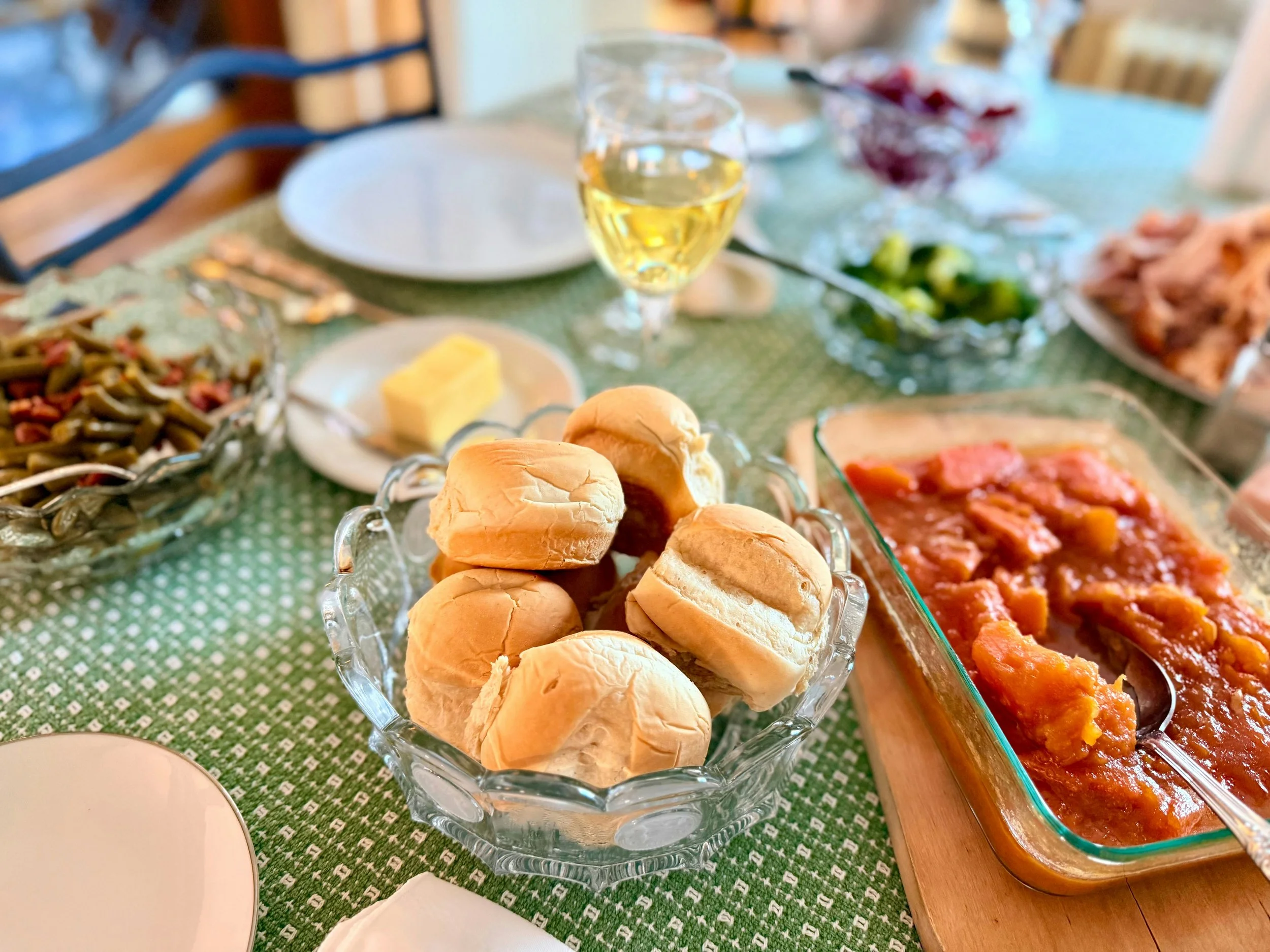

There are a lot of cuisines here - Spanish, Mediterranean, Keralite and South Indian - from all over the world. And more cusines being added every day by the SimplyFive team as well as professional content creators from across the globe. Use this search facility to get to the right region or cuisine.
Bengali
Traditional Bengali cuisine originates from the Bengal region of South Asia, specifically the state of West Bengal in India and the country of Bangladesh, and remains highly popular in these areas and throughout the global diaspora. The diet centers on rice and freshwater fish, often prepared with pungent mustard oil and a signature five-spice blend known as panch phoron. It is celebrated for its multi-course structure and a resourceful approach that balances sweet, spicy, and bitter notes across a wide array of dishes.
Daily meals typically begin with a breakfast of luchi or kochuri served with aloo dum or cholar dal, followed by a hearty lunch of steamed rice, shukto, and various fish curries like macher jhol or shorshe ilish. Dinner often features similar staples or festive specialties such as kosha mangsho or Kolkata biryani, and almost always concludes with iconic milk-based sweets like rosogolla, sandesh, or mishti doi.

Chinese
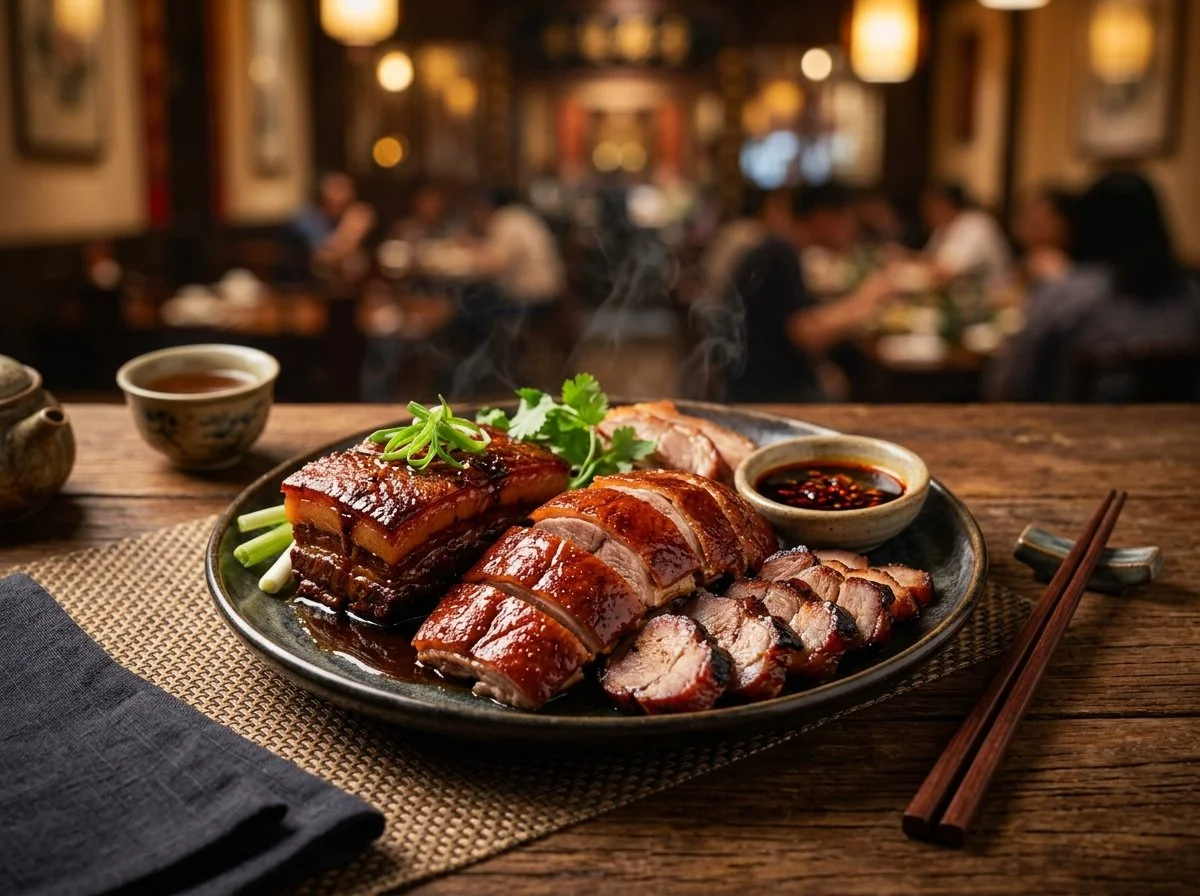
Chinese cuisine is one of the oldest and most diverse culinary traditions in the world, originating from the vast geographic and cultural landscape of China. Today, it remains a global powerhouse of flavor, maintaining immense popularity throughout East Asia and across the international diaspora in countries like the United States. The cuisine is often categorized into regional styles such as Cantonese, Sichuan, and Shandong, each emphasizing a harmony of flavors, fresh ingredients, and traditional techniques like stir-frying, steaming, and braising.
Daily meals often begin with a hearty breakfast of congee, jianbing, or steamed baozi, frequently accompanied by soy milk and fried dough sticks known as youtiao. Lunch and dinner typically center on staples like rice or noodles served with a variety of communal dishes. Popular choices include dim sum, dumplings, and aromatic specialties such as Kung Pao chicken, Ma Po tofu, and sweet and sour pork. Whether enjoyed as a quick street food snack or a multi-course imperial banquet, Chinese cuisine is celebrated for its balance of color, aroma, and taste.
French
French cuisine originates from France and is globally renowned as the foundation of Western cooking, maintaining immense popularity in professional kitchens and homes across Europe, North America, and beyond. This culinary tradition is celebrated for its technical precision, regional diversity, and the "art de vivre," emphasizing high-quality, seasonal ingredients and the mastery of fundamental techniques like sauce-making and braising. In 2010, its cultural significance was recognized by UNESCO, which added French gastronomy to its list of Intangible Cultural Heritage.
Daily meals often begin with a light breakfast of coffee or tea accompanied by a buttery croissant, tartines, or pain au chocolat. Lunch is traditionally a multi-course affair, often enjoyed at a bistro, featuring classics like quiche Lorraine, steak frites, or a Croque Madame. Dinner is the centerpiece of the day, typically consisting of at least three courses: an entrée such as French onion soup or escargot, followed by a hearty plat principal like boeuf bourguignon, coq au vin, or ratatouille. The meal almost always includes fresh baguette and wine, concluding with a selection of cheeses or iconic desserts like crème brûlée, tarte Tatin, or delicate macarons.
Greek
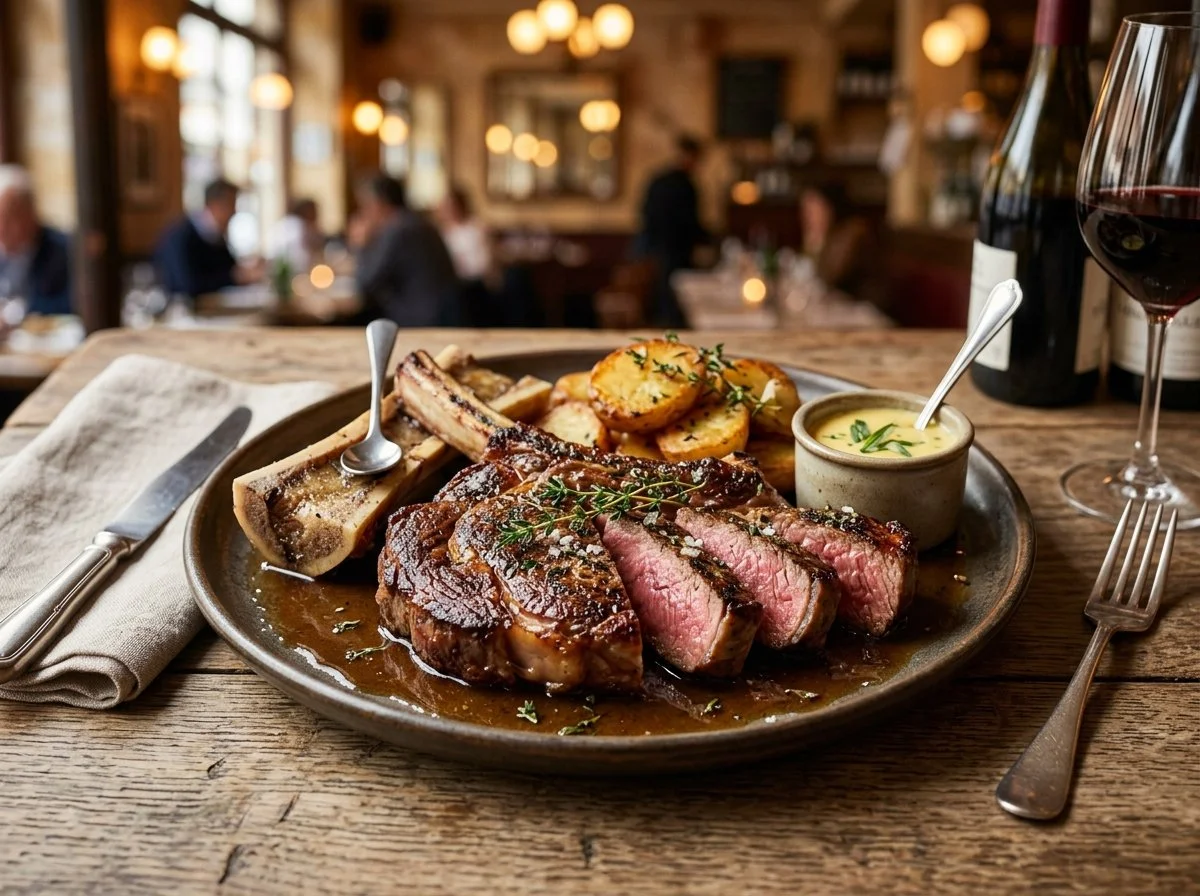
Greek cuisine originates from Greece and is a cornerstone of the Mediterranean diet, remaining immensely popular today throughout the Mediterranean, Europe, North America, and among the global Greek diaspora. It is celebrated for its simplicity and reliance on high-quality ingredients like olive oil, wheat, and wine, complemented by fresh vegetables, herbs like oregano and garlic, and proteins such as lamb, fish, and poultry.
Daily meals often begin with a breakfast of coffee or tea accompanied by various pitas, such as spanakopita (spinach and feta pie) or sweet pastries like bougatsa. Lunch is frequently a multi-course affair featuring seasonal vegetable stews known as lathera, fresh salads like horiatiki (Greek salad) with feta and olives, or street food staples like gyros and souvlaki served with pita and tzatziki. Dinner is typically the centerpiece of the day, often consisting of hearty classics like moussaka—layered eggplant, meat, and béchamel—or grilled meats such as paidakia (lamb chops) and fresh seafood. Meals are traditionally enjoyed slowly and often conclude with iconic honey-based desserts like baklava or galaktoboureko.
Gujarati
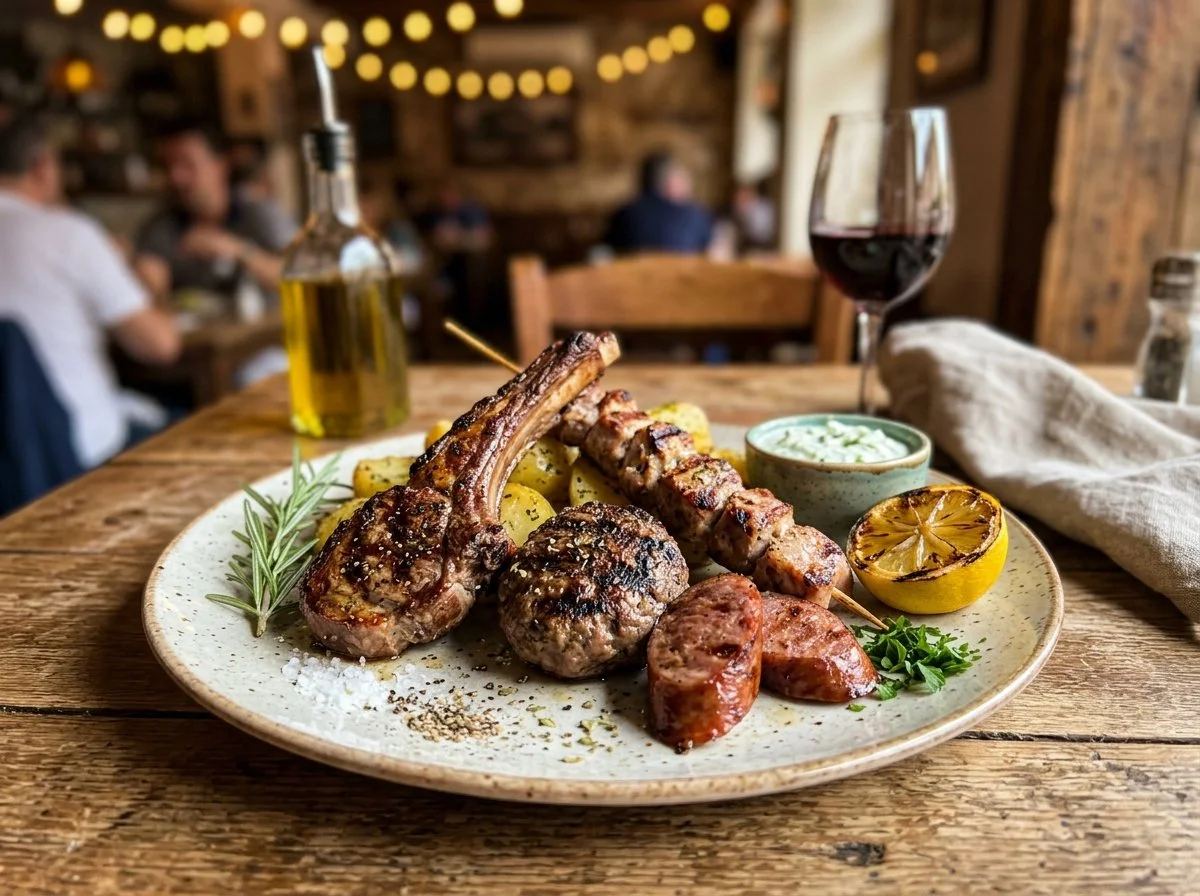
Gujarati cuisine originates from the state of Gujarat in western India and remains immensely popular throughout the region and among the global Indian diaspora. It is renowned for its predominantly vegetarian focus, influenced by Jain and Vaishnav traditions, and its signature balance of sweet, salty, tangy, and spicy flavors. The cuisine is celebrated for its diverse regional styles, such as Kathiyawadi and Surti, and its inventive use of seasonal vegetables, pulses, and grains like bajra and jowar.
Daily meals often begin with a breakfast of thepla, a versatile spiced flatbread, or steamed snacks like khaman dhokla and handvo. Lunch and dinner typically center on a wholesome Gujarati thali, which presents a harmonious spread of rotli, dal or kadhi, rice, and various vegetable shaaks. These main courses are often accompanied by flavorful farsans like khandvi or fafda, as well as staples like khichdi and buttermilk. Festive meals are further enriched with decadent milk or grain-based sweets such as shrikhand, basundi, or mohanthal, ensuring a complete and satisfying culinary experience.
Hyderabadi
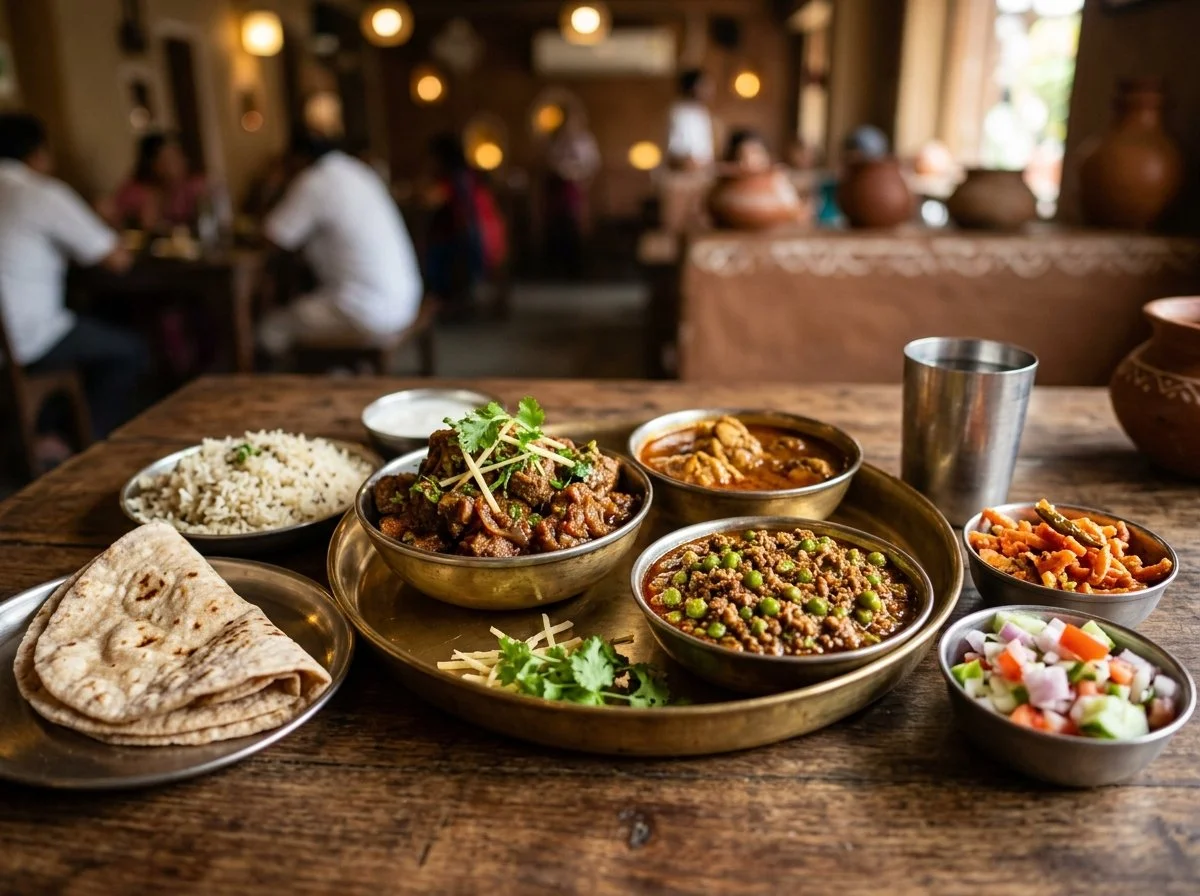
Hyderabadi cuisine originates from the city of Hyderabad in the Telangana region of India and is a regal amalgamation of Mughal, Turkish, and Arabic influences blended with local Telugu and Marathwada traditions. It remains immensely popular throughout the Deccan plateau and among the global Indian diaspora, celebrated for its sophisticated use of spices and slow-cooking techniques like dum pukht. The cuisine is defined by its rich, aromatic flavors and the signature use of ingredients such as tamarind, dry coconut, and peanuts.
Daily meals often begin with a breakfast of spicy lukhmi, a meat-filled pastry, or savory dishes like Hyderabadi khichdi served with khatta. Lunch and dinner typically center on the iconic Hyderabadi biryani, a fragrant rice and meat dish, or the seasonal, slow-cooked meat and grain stew known as haleem. Other popular mainstays include spicy curries like mirchi ka salan and bagara baingan, as well as meat specialties such as pathar ka gosht. Festive meals are traditionally rounded off with decadent desserts like double ka meetha, a rich bread pudding, or qubani ka meetha, made from dried apricots.
Indo-Chinese
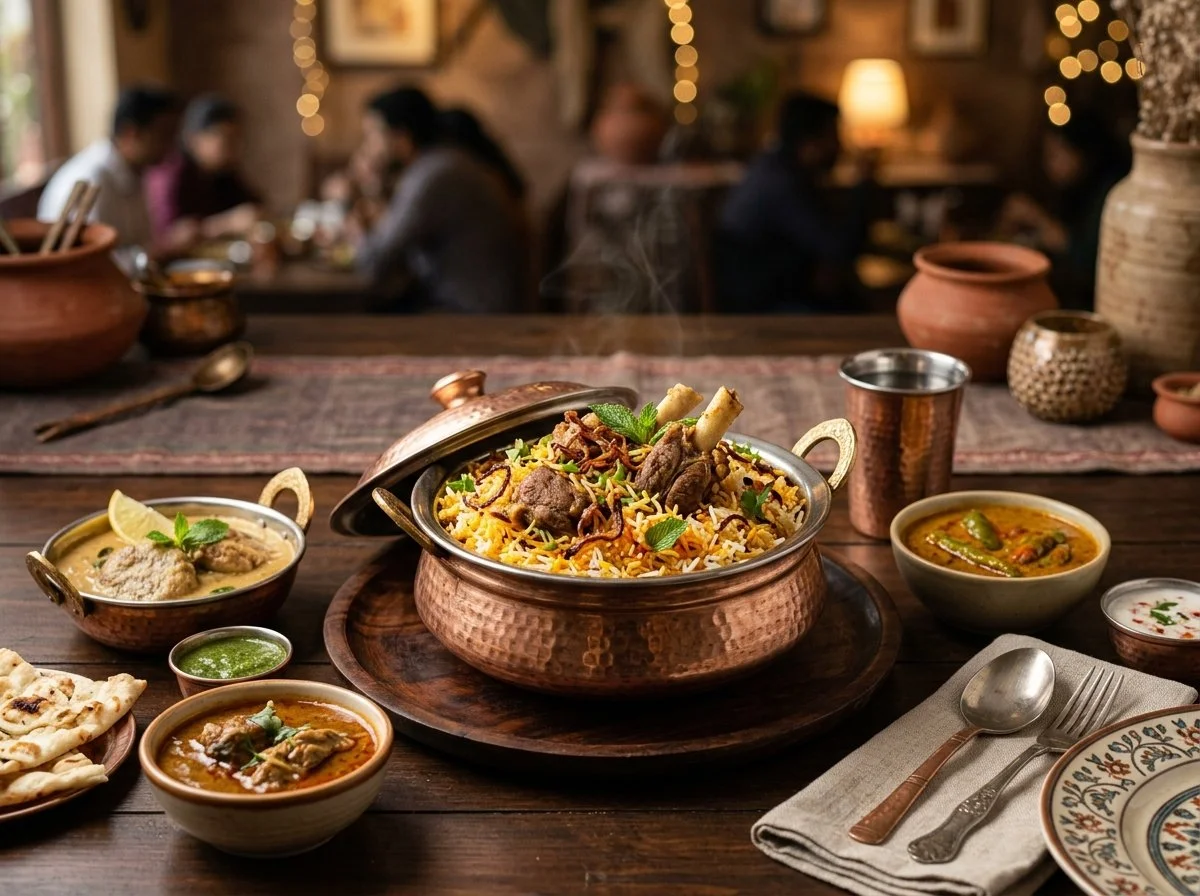
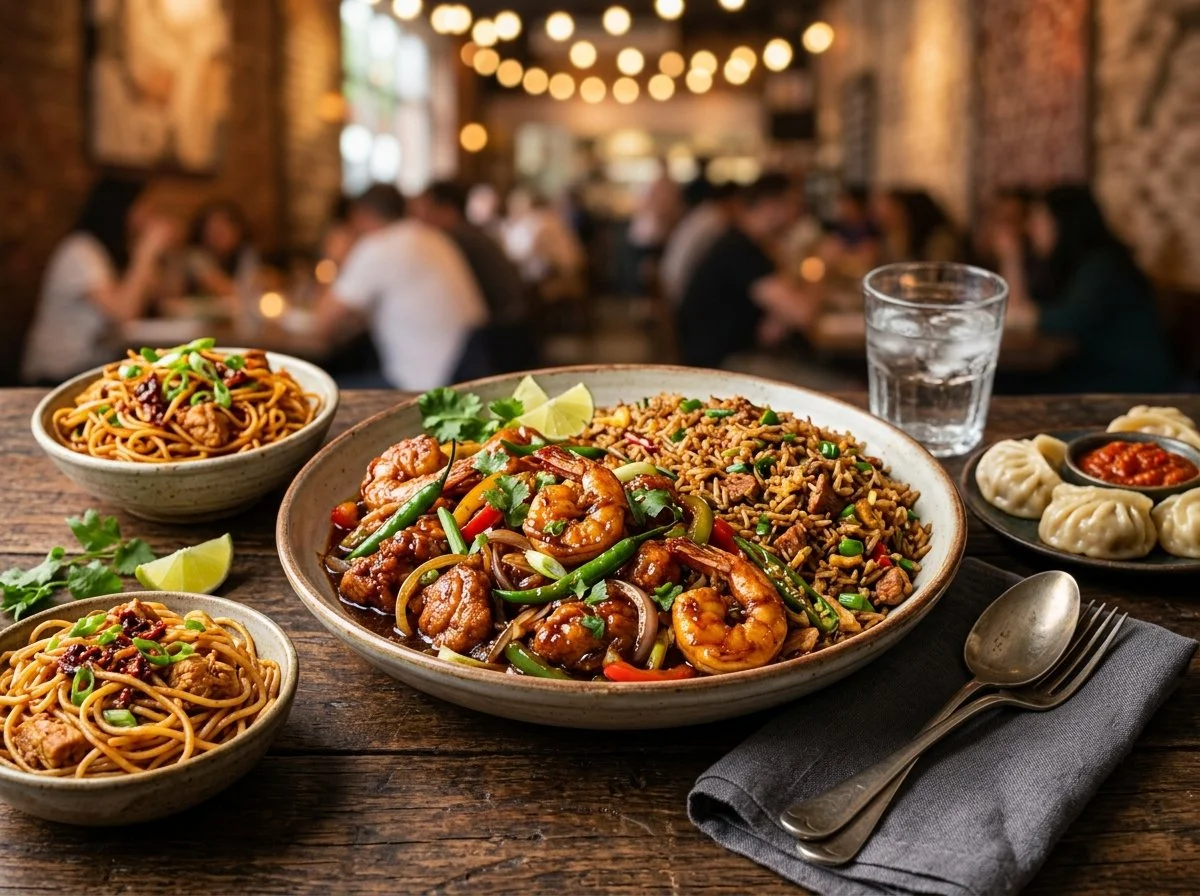
Indo-Chinese cuisine, also known as Sino-Indian or Hakka Chinese, originated in the late 18th and early 19th centuries within the Chinese community of Kolkata, India. This distinct fusion style was created by Hakka immigrants who adapted traditional Chinese cooking techniques and ingredients to suit the spicy and often vegetarian palates of the local Indian population. Today, it is a beloved culinary staple throughout India and South Asia, maintaining significant popularity in major cities like Mumbai and Delhi, as well as among the global Indian diaspora in countries such as the United States, United Kingdom, and Canada.
Daily meals in this tradition often feature a blend of bold, amped-up flavors emphasizing garlic, ginger, and green chilies. While many diners enjoy Indo-Chinese dishes for lunch and dinner, traditional breakfasts in Kolkata's Tiretti Bazaar include steamed baozi, dumplings, and various soups. Lunch and dinner typically center on iconic staples like Hakka noodles, fried rice, or Szechuan-style dishes served with gravy or dry. Popular main courses include Chilli Chicken, Gobi Manchurian—a dish of battered cauliflower in a spicy soy sauce—and Chilli Paneer. The cuisine is celebrated for its signature balance of heat and sweetness, frequently concluding with fusion desserts like date pancakes.
Indonesian
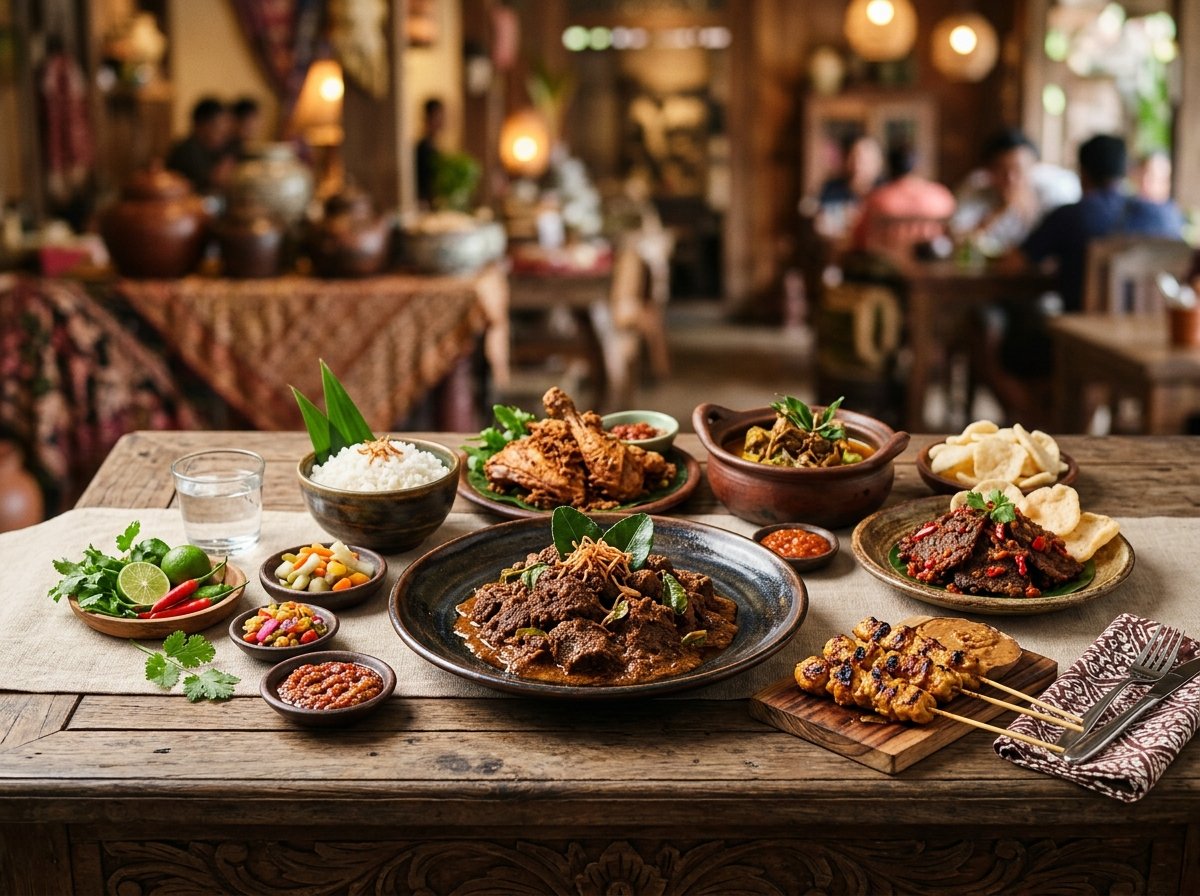
Indonesian cuisine originates from the diverse archipelago of Southeast Asia, shaped by indigenous traditions and centuries of trade and colonial influences from India, China, the Middle East, and Europe. Today, it remains a global culinary powerhouse, maintaining immense popularity throughout Southeast Asia and across the international diaspora, particularly in the Netherlands and the United States. The cuisine is celebrated for its bold use of spices, fresh ingredients, and a signature harmony of sweet, sour, salty, and spicy flavors across a vast array of regional styles.
Daily meals often begin with a hearty breakfast of bubur ayam (chicken rice porridge), nasi uduk (coconut rice), or nasi goreng, which is widely considered one of Indonesia's national dishes. Lunch and dinner typically center on steamed rice served with various communal side dishes known as lauk-pauk, including beef rendang, gado-gado (vegetable salad with peanut sauce), and soto (aromatic soup). Other iconic staples include sate (grilled skewers), bakso (meatball soup), and fried specialties like ayam goreng, often accompanied by the essential spicy condiment, sambal. Whether enjoyed at a humble street-side warung or a multi-course rijsttafel feast, Indonesian cuisine is a testament to the nation's rich cultural heritage.
Italian
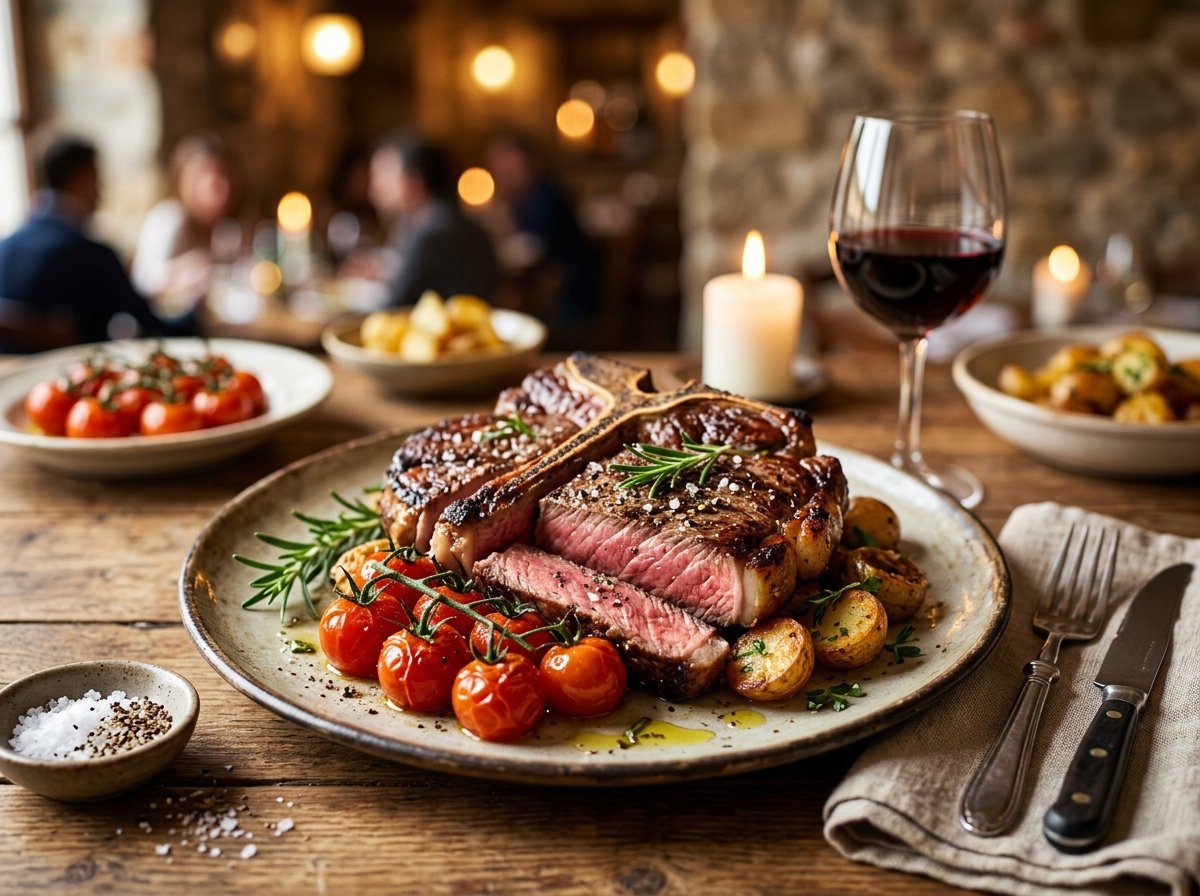
Italian cuisine originates from Italy and is globally renowned for its simplicity and emphasis on high-quality, seasonal ingredients. It remains one of the most popular culinary traditions in the world, maintaining immense influence across Europe, North America, and throughout the global Italian diaspora. The cuisine is celebrated for its regional diversity, with Northern Italy often featuring rice and butter-based dishes like risotto and polenta, while Southern Italy is known for its wheat pasta, olive oil, and tomato-based specialties.
Daily meals typically begin with a light breakfast, such as an espresso or cappuccino accompanied by a pastry like a cornetto, crostata, or biscotti. Lunch and dinner are often multi-course affairs that follow a structured progression: an antipasto (appetizer) such as bruschetta or cured meats; a primo (first course) usually consisting of pasta, risotto, or soup; and a secondo (second course) featuring meat or seafood like chicken cacciatore, veal milanese, or branzino. These main courses are frequently followed by a dolce (dessert) such as tiramisu, cannoli, or gelato, and the meal typically concludes with a digestivo or a final cup of coffee.
Japanese
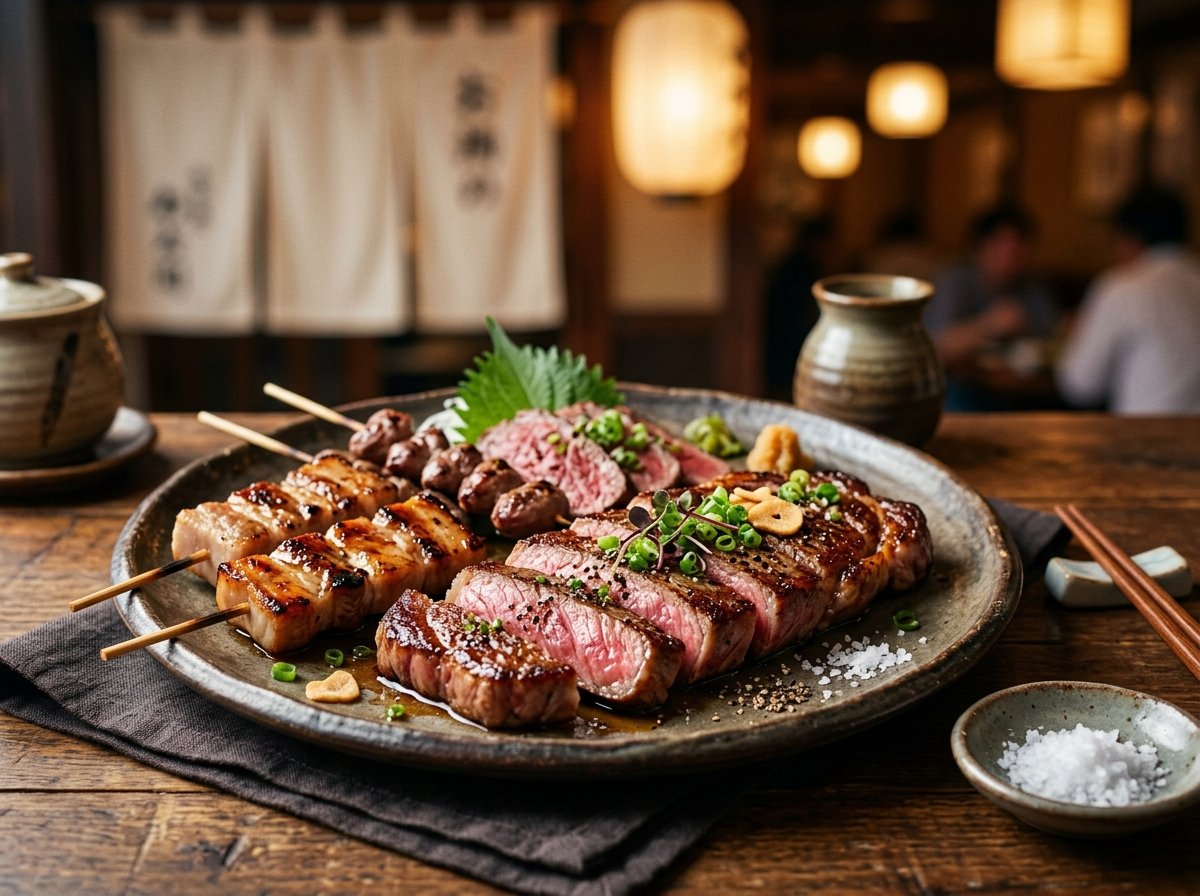
Japanese cuisine originates from the island nation of Japan and has become a global phenomenon, celebrated for its emphasis on seasonal ingredients, artistic presentation, and the fundamental balance of flavors known as washoku. Today, it maintains immense popularity across the international diaspora and is a staple in professional kitchens and homes throughout Asia, North America, and Europe. The cuisine is defined by its use of fresh seafood, rice, and fermented ingredients like miso and soy sauce, alongside specialized techniques such as fermentation, deep-frying (tempura), and precision slicing for sashimi and sushi.
Daily meals often begin with a traditional breakfast consisting of steamed rice, miso soup, and grilled fish, or simpler options like onigiri and tamagoyaki. Lunch and dinner typically center on a variety of hearty staples, including ramen, udon, or soba noodles served in savory broths, as well as donburi rice bowls topped with tempura, tonkatsu, or raw seafood. Popular communal and festive dishes include sushi, yakitori (grilled skewers), and okonomiyaki, a savory pancake often customized with various meats and vegetables. Meals are frequently rounded out with delicate wagashi confections like mochi, dango, or taiyaki, reflecting Japan's rich cultural heritage through every course.
Keralite
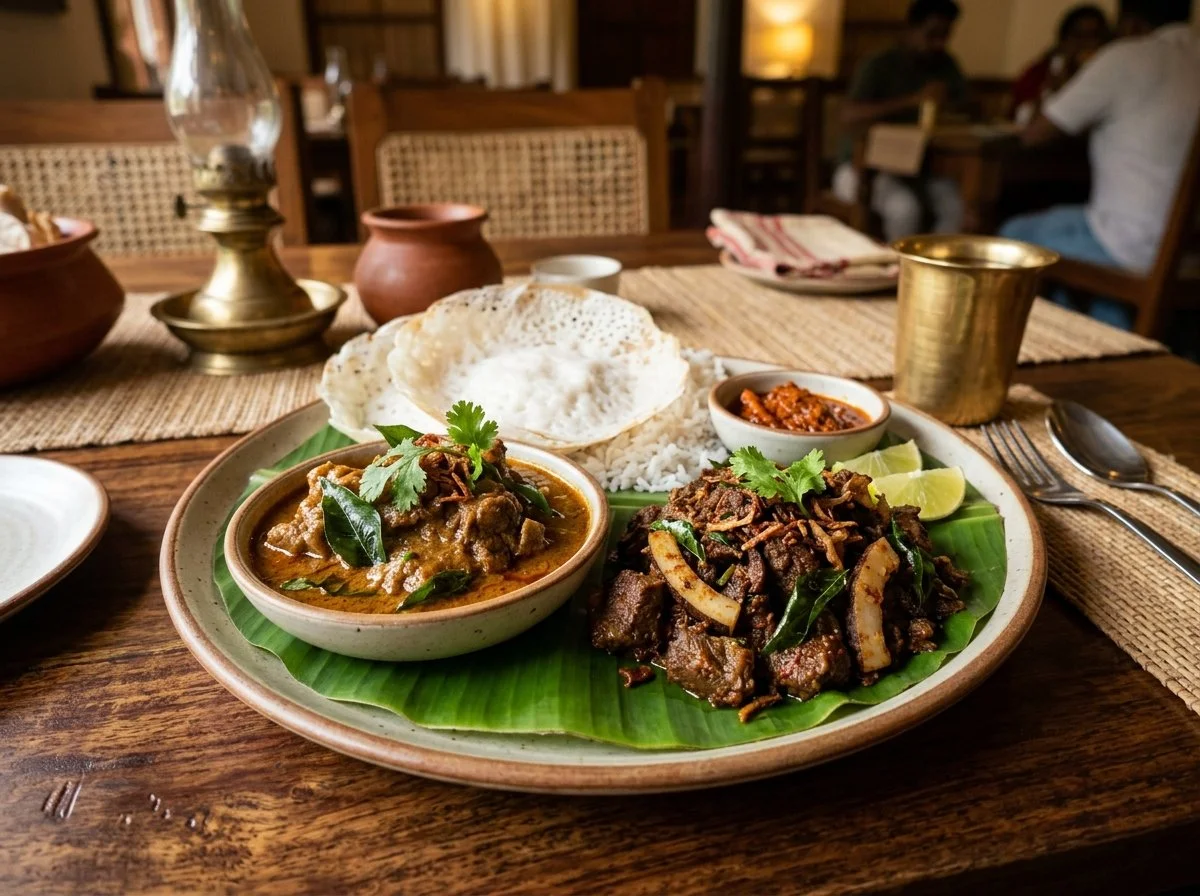
Keralite cuisine originates from the tropical state of Kerala along the southwestern Malabar Coast of India and remains immensely popular throughout the region and among the global Malayali diaspora. Often referred to as the Land of Spices, the cuisine is defined by its use of coconut, rice, and aromatic spices like black pepper, cardamom, and cinnamon, reflecting a rich history of maritime trade and multicultural influences.
Daily meals typically begin with a variety of steamed or fermented rice-based breakfasts, such as appam or idiyappam served with vegetable stew or egg roast, and puttu accompanied by kadala curry. Lunch and dinner often center on steamed rice, particularly the robust matta variety, served with a diverse array of accompaniments like fish molee, beef roast, or vegetable preparations like aviyal and thoran. Festive and ceremonial occasions are celebrated with the Sadya, a grand vegetarian feast served on a banana leaf that includes over twenty unique dishes and concludes with sweet payasam.
Maharashtrian
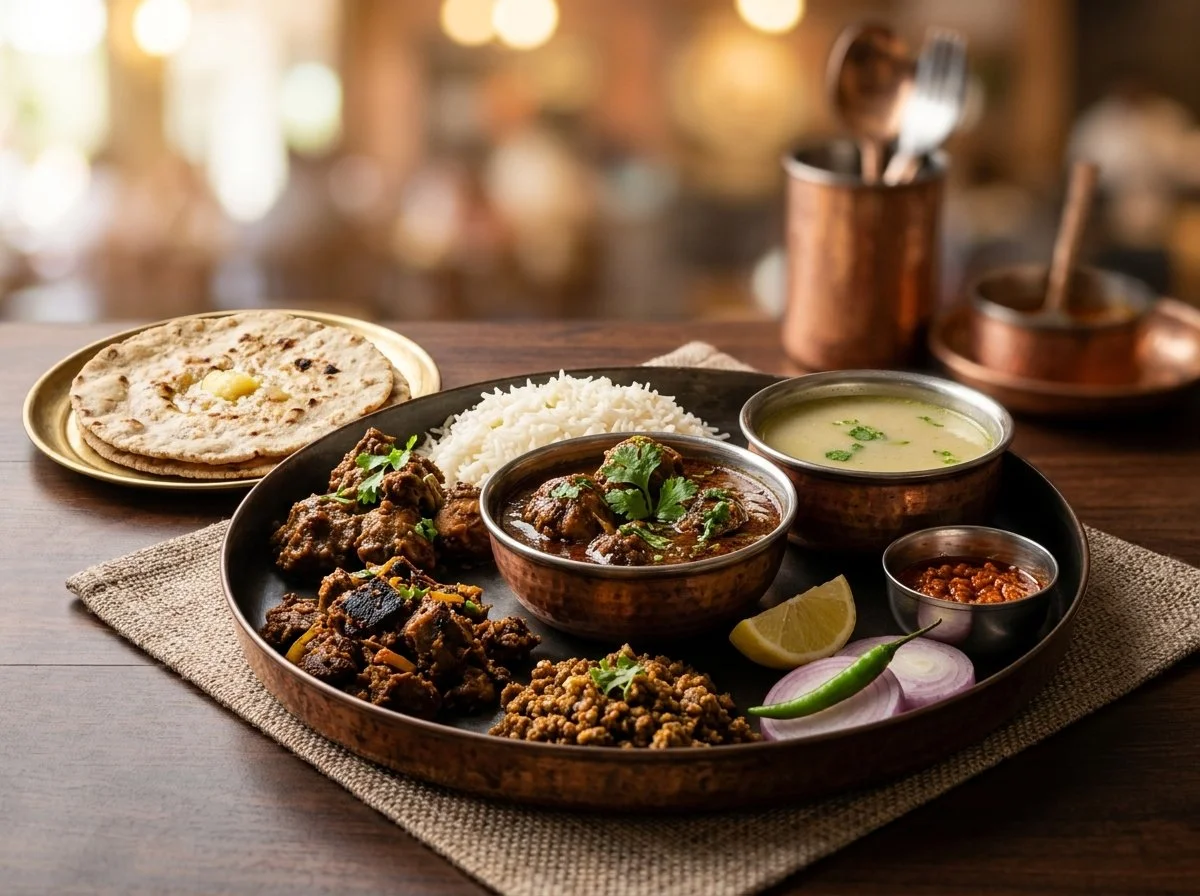
Maharashtrian cuisine originates from the state of Maharashtra in western India and is celebrated for its diverse flavors, ranging from mild to intensely spicy. Today, it remains immensely popular across the Indian subcontinent and within the global Marathi diaspora, known for its resourceful use of local staples like sorghum, pearl millet, and lentils. The cuisine is broadly categorized into distinct regional styles, such as the coconut and seafood-heavy traditions of the coastal Konkan region and the spice-forward, grain-based diets of the inland Deccan Plateau.
Daily meals often begin with a variety of hearty breakfasts, such as kanda pohe (flattened rice with onions), misal pav (sprouted lentil curry with bread), or sabudana khichdi. Lunch and dinner typically center on a balanced spread featuring flatbreads like bhakri or chapati served with vegetable preparations, dal, and rice. Quintessential dishes include varan bhaat (lentils and rice), pithla bhakri (chickpea flour curry with millet bread), and iconic street foods like vada pav and pav bhaji. Coastal regions frequently feature spicy fish curries and sol kadhi, while festive occasions are marked by sweet treats like puran poli, a lentil-stuffed flatbread, and steamed modak dumplings.
Mediterranean
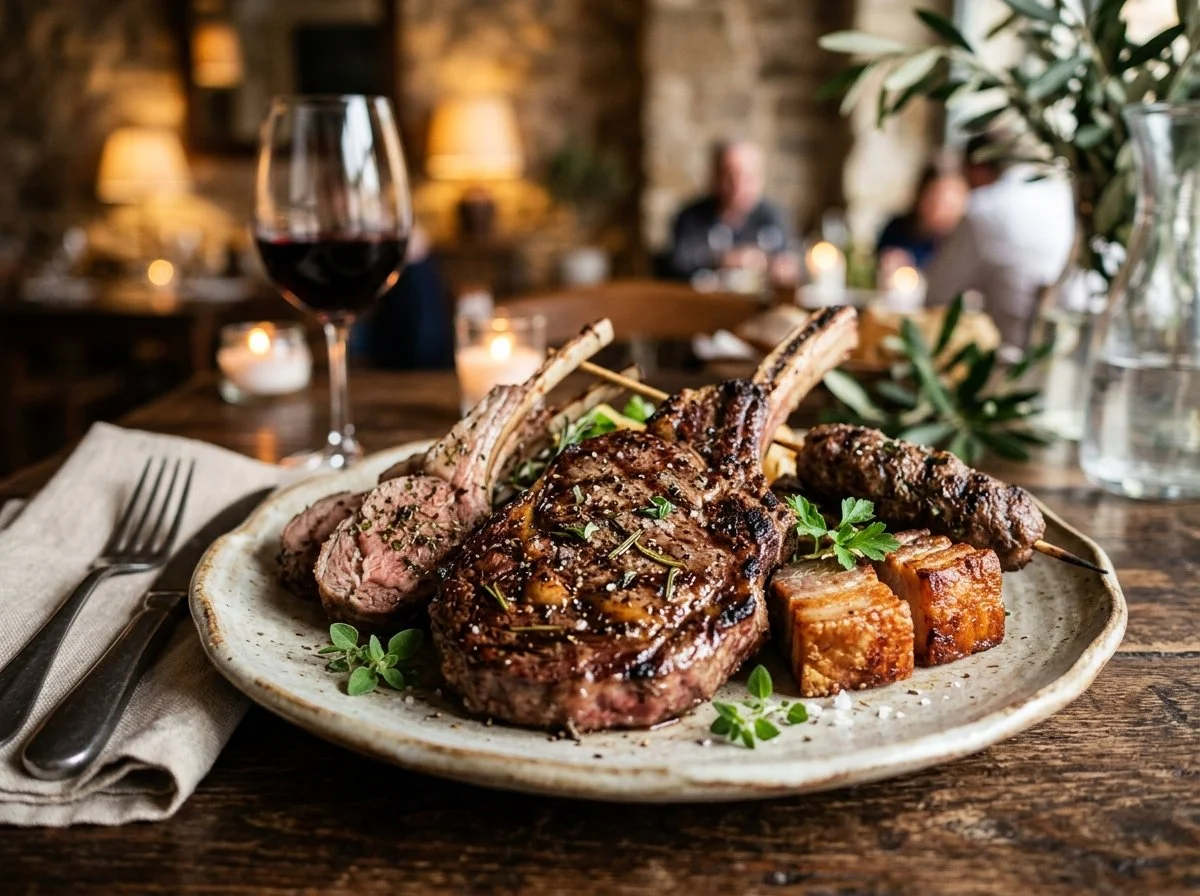
The Mediterranean diet originates from the traditional eating patterns of countries bordering the Mediterranean Sea, particularly Greece, Italy, and Spain. Today, it remains a global cornerstone of healthy living, maintaining immense popularity throughout Europe, North America, and among health-conscious communities worldwide for its emphasis on fresh, seasonal ingredients and heart-healthy fats. The cuisine is celebrated for its simplicity, relying on a foundation of vegetables, fruits, whole grains, and extra virgin olive oil, often supplemented by moderate amounts of fish, poultry, and dairy.
Daily meals typically begin with a light breakfast such as Greek yogurt topped with nuts and honey, whole-grain bread with sliced tomatoes and olive oil, or a vegetable omelet cooked in olive oil. Lunch is often a vibrant affair featuring hearty salads like a classic Greek salad with feta and olives, chickpea and farro medleys, or lentil-based soups accompanied by crusty whole-meal bread. Dinner serves as a satisfying conclusion to the day, frequently consisting of grilled seafood like salmon or steamed mussels, vegetable kabobs with quinoa, or light pasta dishes tossed with seasonal produce. Meals are often enjoyed slowly and may include a moderate glass of red wine, typically concluding with fresh fruit rather than sugary desserts.
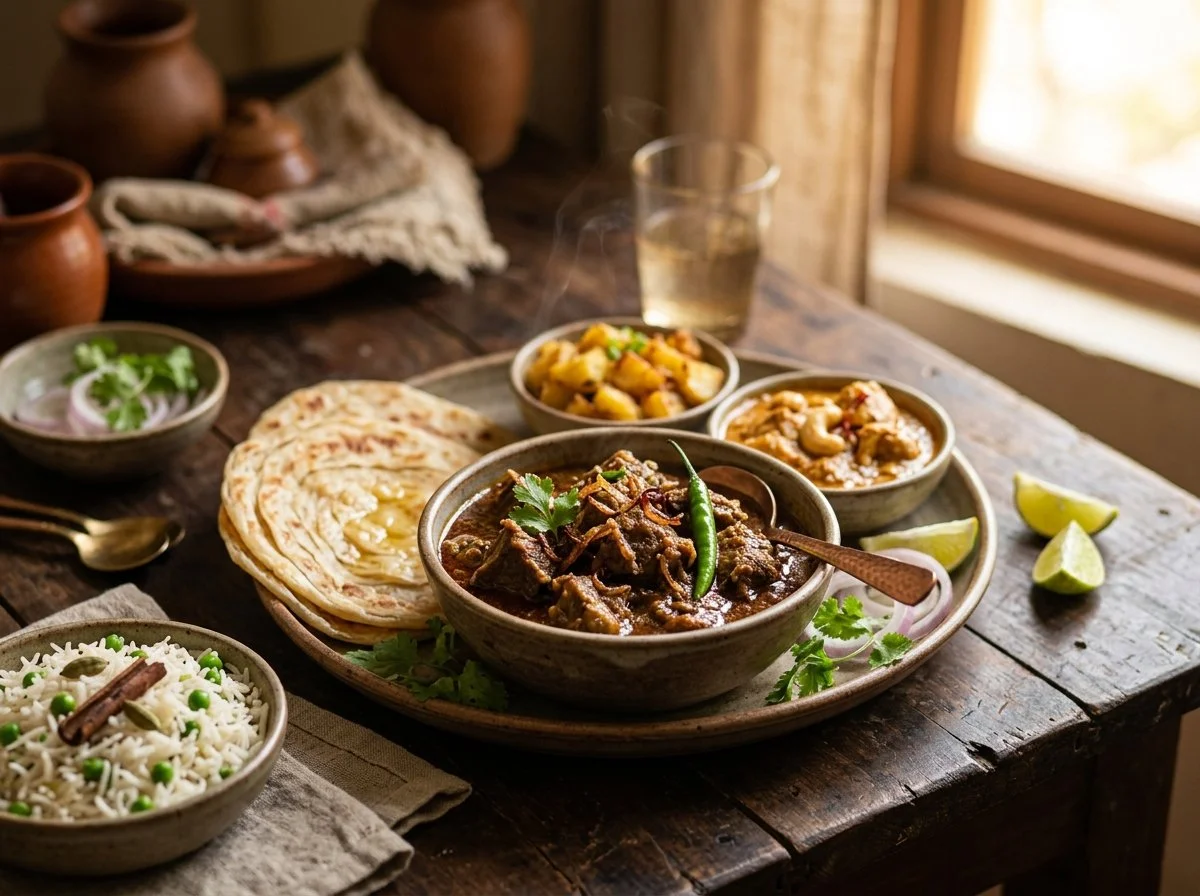
Mughlai
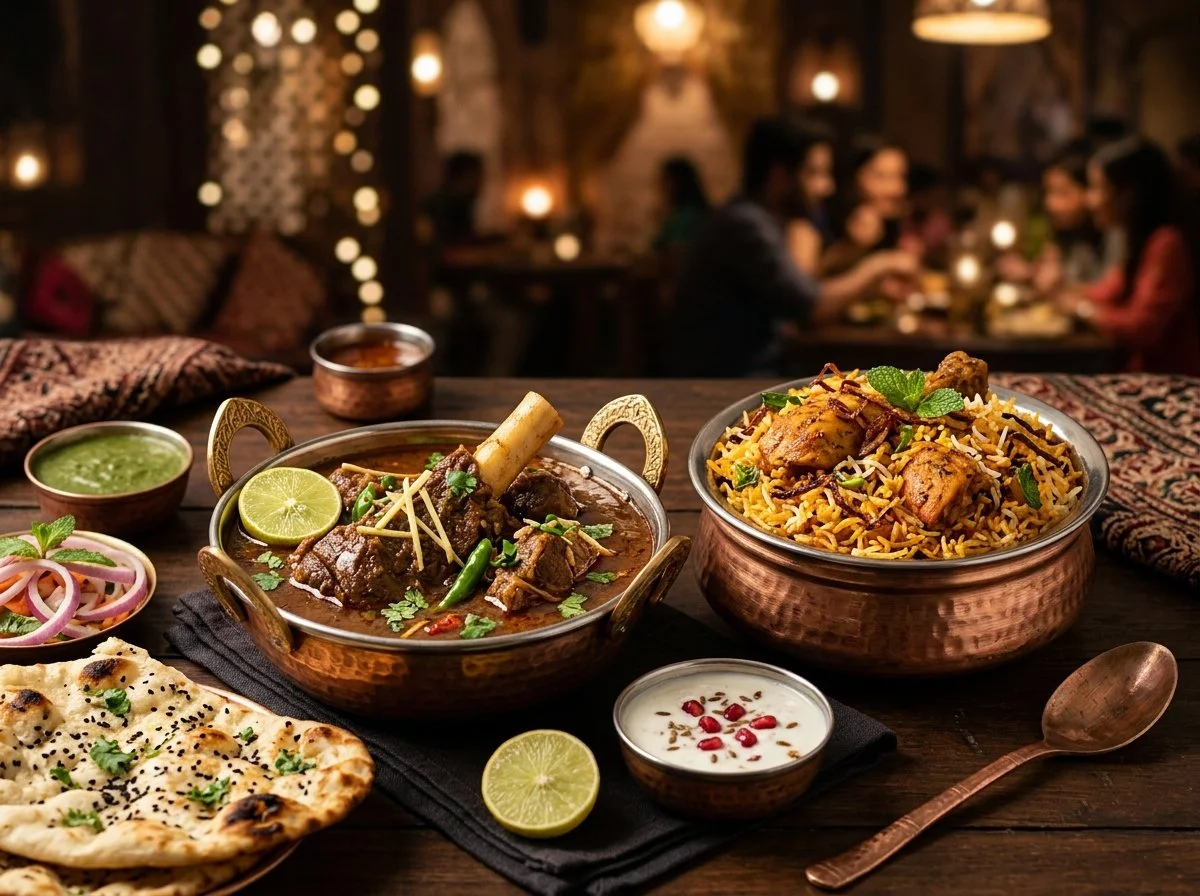
Mughlai cuisine originated in the royal kitchens of the Mughal Empire in Northern India, representing a refined fusion of Persian, Central Asian, and Indian culinary traditions. Today, it remains immensely popular across North India and Pakistan, particularly in historic culinary centers like Delhi, Lucknow, and Hyderabad, as well as among the global South Asian diaspora. The cuisine is celebrated for its opulent use of aromatic spices, dried fruits, cream, and sophisticated slow-cooking techniques like dum pukht.
Daily meals may begin with a breakfast of Nihari, a slow-cooked meat stew traditionally enjoyed after morning prayers, or hearty Mughlai parathas stuffed with minced meat. Lunch and dinner typically center on iconic dishes such as fragrant biryanis, rich kormas, and a variety of succulent kebabs like Seekh or Shami kebabs. Festive and elaborate meals often feature specialties like Murg Musallam, Rogan Josh, or Haleem, and almost always conclude with decadent, milk-based desserts like Shahi Tukra, Firni, or Kulfi.
Peruvian
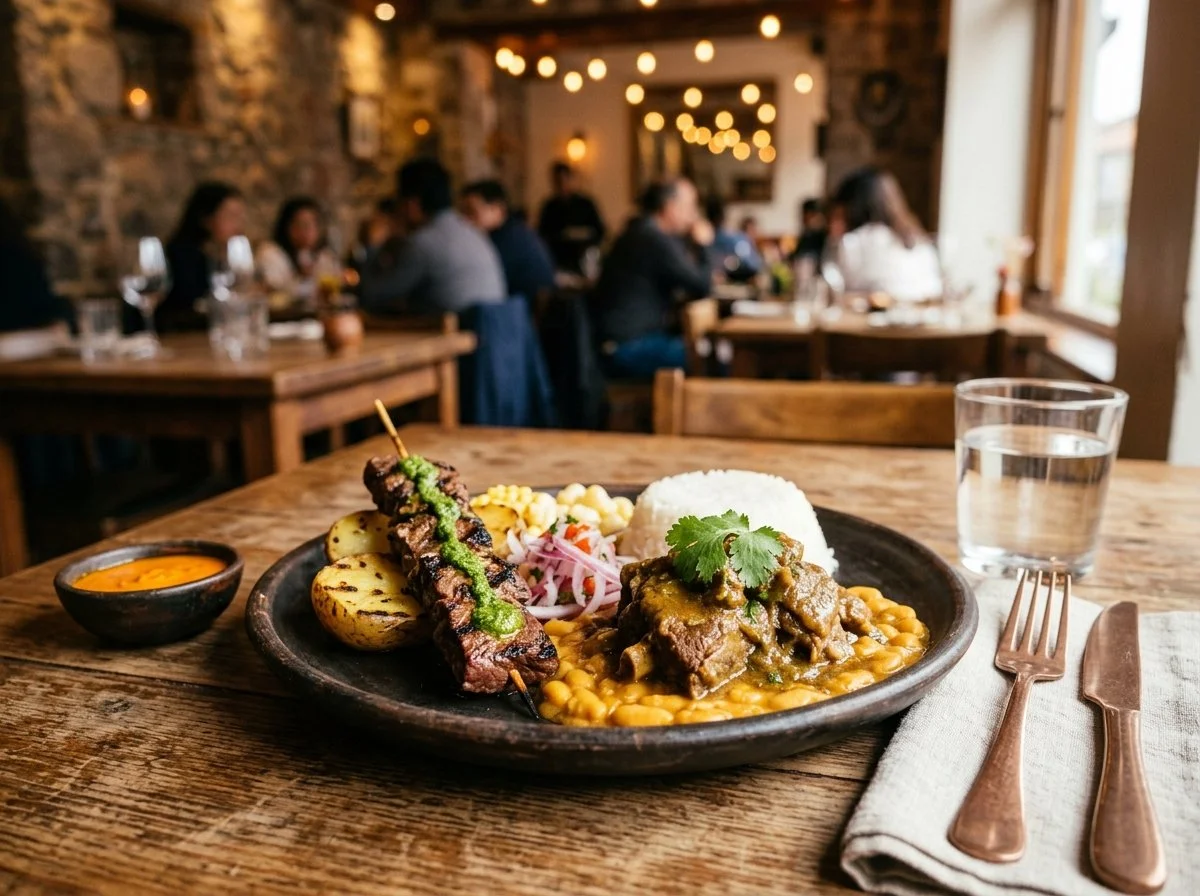
Peruvian cuisine originates from the diverse landscape of Peru, spanning the Pacific coast, the Andean highlands, and the Amazon rainforest. It has gained immense global popularity, particularly in major culinary hubs like New York, London, and Tokyo, and is celebrated for its unique fusion of indigenous Incan traditions with Spanish, African, Chinese, and Japanese influences. This cultural melting pot has resulted in iconic styles such as Chifa and Nikkei, making Peru a premier gastronomic destination recognized by organizations like UNESCO.
Daily meals often begin with a traditional breakfast of sangrecita, tamales, or hearty sandwiches like pan con chicharron, frequently accompanied by fresh papaya juice or coffee. Lunch is typically the main meal of the day, featuring world-famous dishes like ceviche—raw fish marinated in lime and chilies—or lomo saltado, a savory beef stir-fry served with rice and fries. Dinner often consists of comforting classics such as aji de gallina, a creamy chicken stew, or street food favorites like anticuchos, which are grilled beef heart skewers. Meals frequently conclude with sweet treats like picarones or suspiro a la limena, reflecting the rich and varied flavors of the nation.
Portuguese
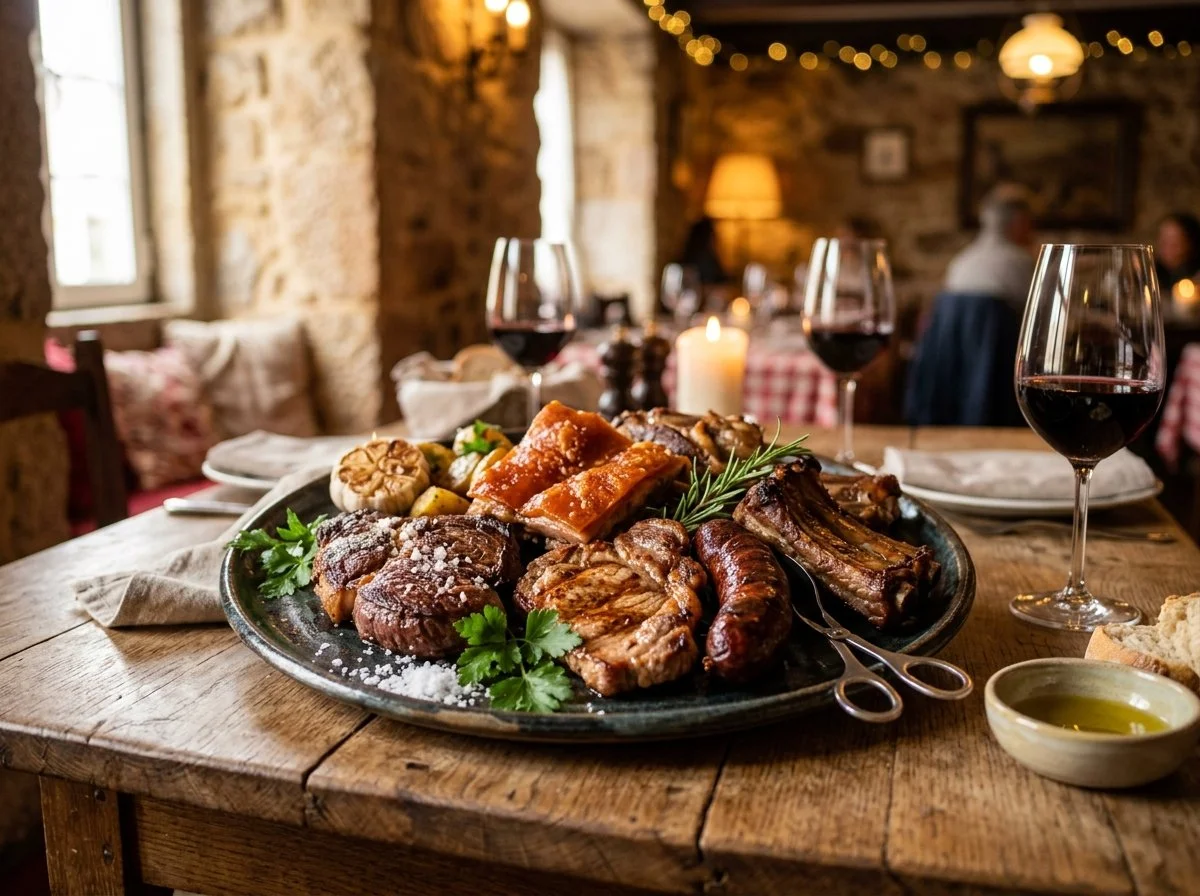
Portuguese cuisine originates from Portugal on the Iberian Peninsula and is a seafaring tradition influenced by its Atlantic geography and former global trade routes. Today, it remains immensely popular throughout Portugal and its former colonies, such as Brazil, Angola, and Mozambique, as well as in international culinary hubs like London and Newark. The cuisine is celebrated for its emphasis on high-quality, simply prepared ingredients, particularly seafood, and its historical role in introducing global flavors like piri-piri chilies and exotic spices to Europe and beyond.
Daily meals often begin with a light breakfast of coffee or juice accompanied by fresh bread rolls, such as papo seco, or iconic pastries like the pastel de nata custard tart. Lunch is typically the main meal of the day, featuring hearty options like bifana pork sandwiches or various preparations of bacalhau (salted cod), which is considered the national dish. Dinner often centers on comforting stews and grilled specialties, such as caldo verde kale soup, frango piri-piri (spicy grilled chicken), or cozido à portuguesa, a rich meat and vegetable boil. Meals are frequently rounded off with local cheeses, such as Serra da Estrela, and a glass of Port or Vinho Verde.
Punjabi
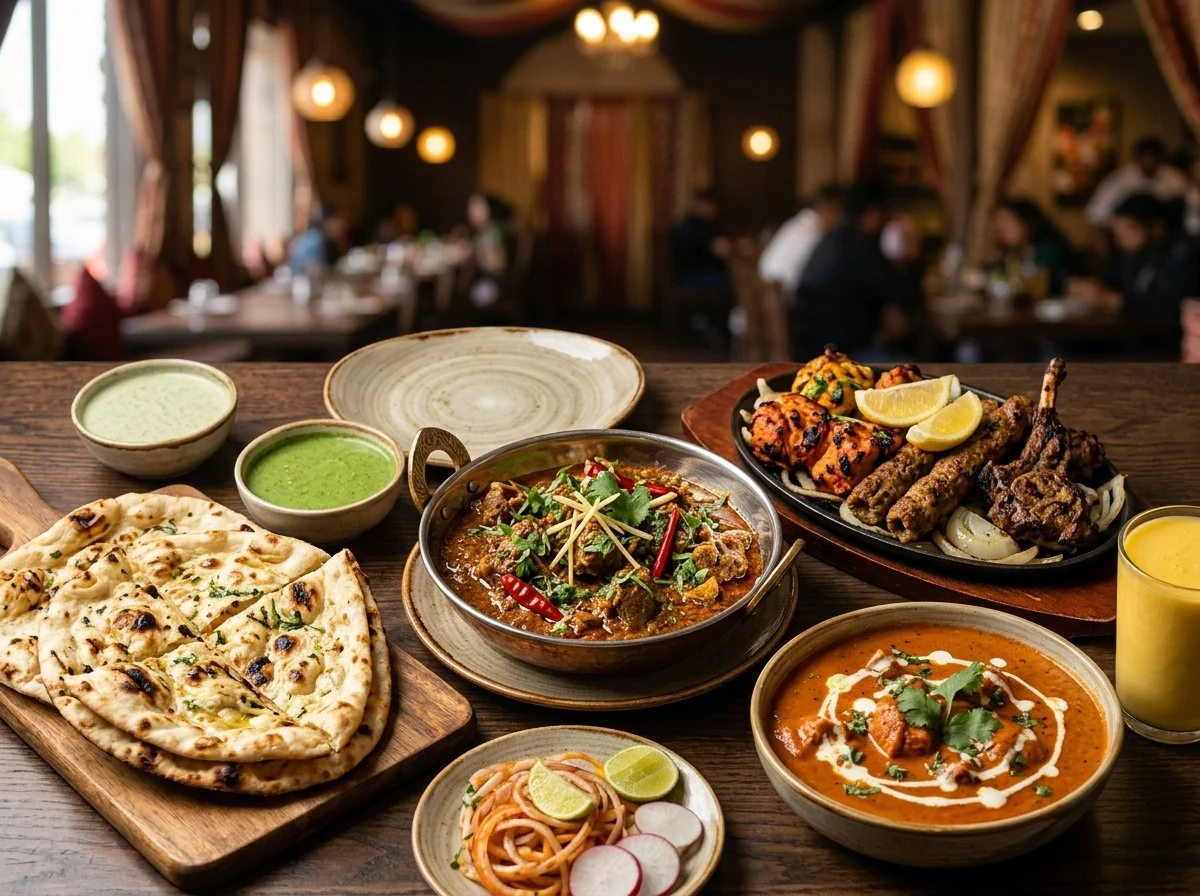
Punjabi cuisine originates from the Punjab region of Northern India and Pakistan, a fertile agricultural heartland known for its rich history and vibrant culture. Today, it is one of the most popular Indian culinary traditions globally, maintaining a massive presence across North India, the United Kingdom, Canada, and the United States. Celebrated for its hearty, buttery flavors and the iconic tandoori style of cooking, the cuisine reflects its agrarian roots through the extensive use of dairy products like ghee, butter, and paneer, alongside staples like wheat and basmati rice.
Daily meals often begin with a substantial breakfast of stuffed parathas, such as aloo or paneer paratha, served with a dollop of white butter and curd, or popular street-style options like chole bhature and halwa poori. Lunch and dinner typically center on rich, aromatic curries and lentil dishes, including the world-famous butter chicken, dal makhani, and sarson da saag paired with makki di roti. These main courses are usually accompanied by a variety of tandoor-baked breads like naan and kulcha, and often conclude with a refreshing glass of malai lassi or traditional sweets like gajar ka halwa, kheer, or pinni.
Rajasthani
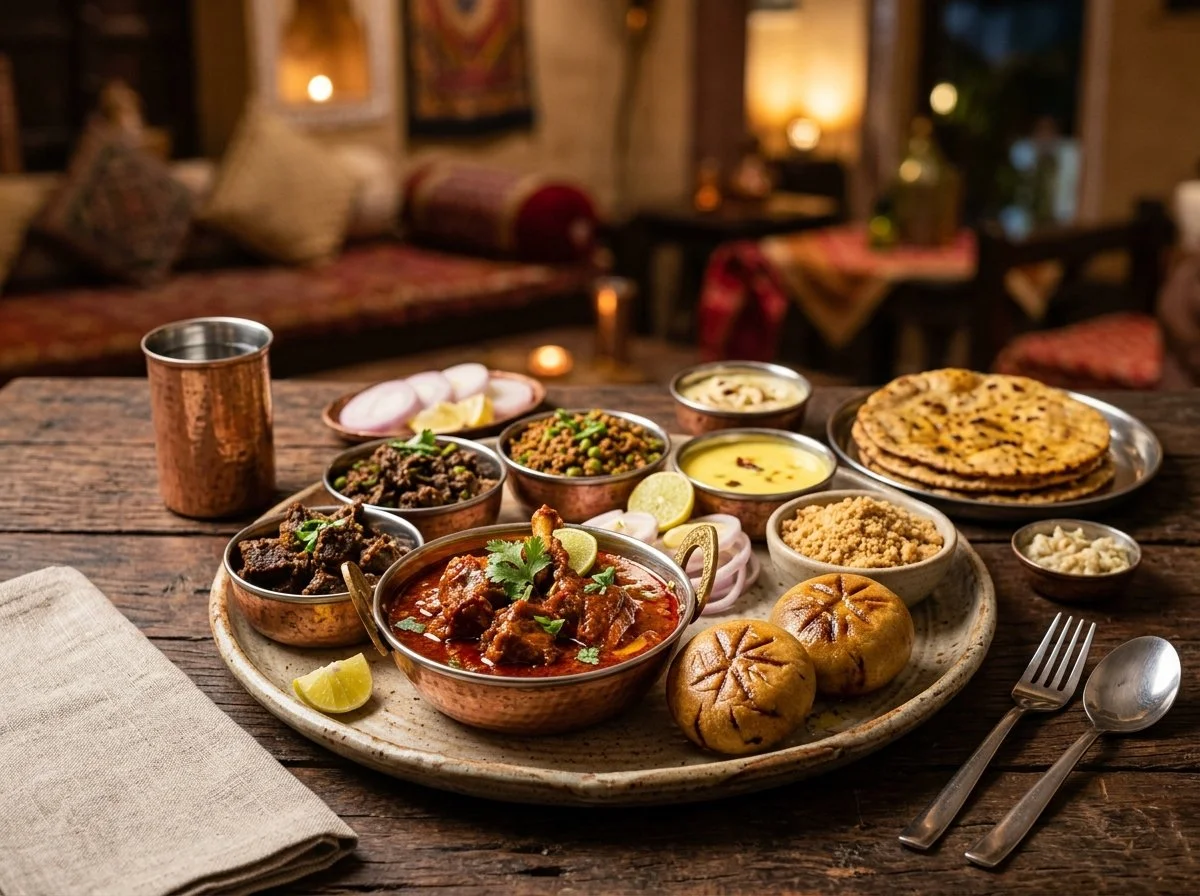
Rajasthani cuisine originates from the royal state of Rajasthan in northwestern India and remains immensely popular across the Indian subcontinent and within the global Indian diaspora. Celebrated for its bold flavors and resourceful use of ingredients, the cuisine was shaped by the region’s arid climate and regal history, emphasizing staples like gram flour, lentils, dairy, and bajra (millet) that could survive the desert heat. The food is known for its signature richness, often using generous amounts of ghee and a vibrant blend of spices, including the fiery red chilies that characterize iconic dishes like Laal Maas.
Daily meals often begin with a hearty breakfast of spicy Pyaaz ki Kachori, Mirchi Bada, or stuffed parathas served with fresh curd and garlic chutney. Lunch and dinner typically center on the state’s most famous meal, Dal Baati Churma—a combination of hard wheat rolls, spiced lentils, and sweet crushed wheat—or comforting vegetable preparations like Gatte ki Sabzi and Ker Sangri. Meat lovers frequently enjoy slow-cooked specialties such as Laal Maas or Safed Maas, often paired with bajra roti. These meals are traditionally rounded off with decadent sweets like Ghevar or Mohan Thaal, reflecting the opulent culinary heritage of the land of kings.
South Indian
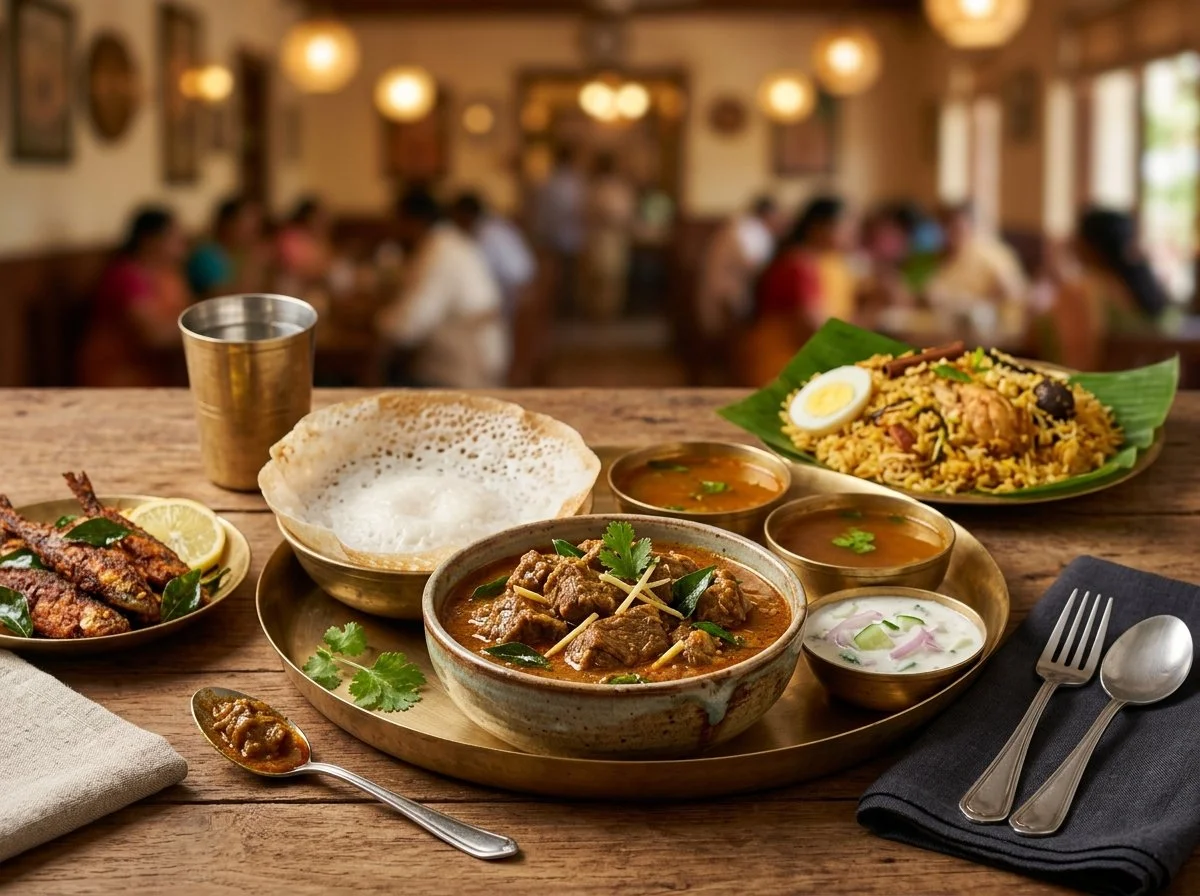
South Indian cuisine originates from the southern states of India—Andhra Pradesh, Karnataka, Kerala, Tamil Nadu, and Telangana—and remains immensely popular throughout the Indian subcontinent and across the global diaspora. Known for its reliance on rice, lentils, and coconut, the cuisine is celebrated for its aromatic spices, fermented foods, and a balance of spicy, tangy, and savory flavors. Traditional meals are often served on banana leaves, reflecting a rich cultural heritage that emphasizes both nutrition and hospitality.
Daily meals typically begin with a hearty breakfast of steamed idli, crispy dosa, or savory vada, served with sambar and various chutneys. Lunch and dinner often center on steamed rice accompanied by a diverse array of dishes like tangy rasam, spicy vegetable curries, or regional specialties such as Hyderabadi biryani and Kerala fish curry. Festive occasions are frequently marked by the Sadya, a grand multi-course vegetarian feast, and conclude with sweet milk-based desserts like payasam or iconic treats like Mysore pak.
Spanish
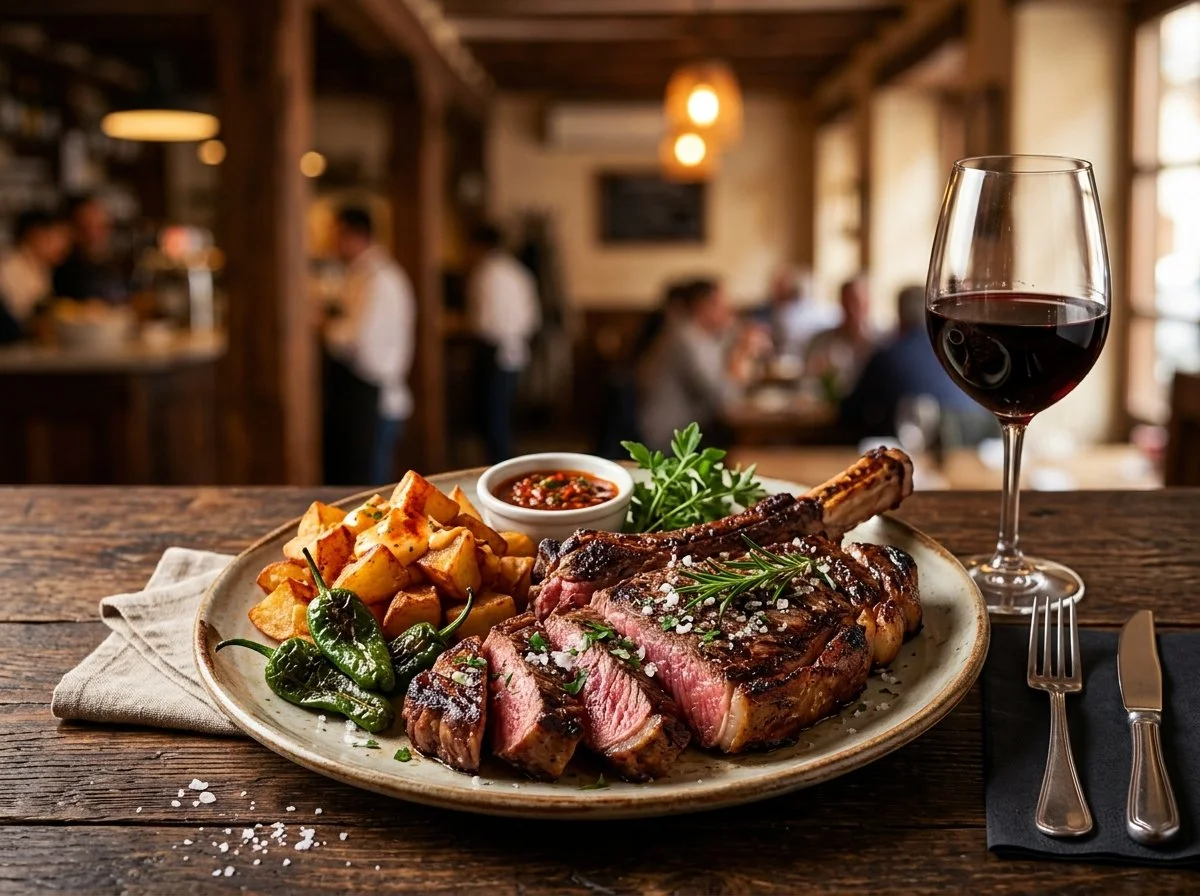
Spanish cuisine originates from Spain on the Iberian Peninsula and has become a global phenomenon, celebrated for its vibrant flavors and Mediterranean foundations. Today, it remains immensely popular throughout Europe and North America, as well as in former colonies such as those in Latin America and the Philippines. The cuisine is a rich tapestry of regional traditions shaped by a history of cultural exchange, incorporating Roman staples like olive oil and wine, Moorish introductions like rice and saffron, and New World ingredients like tomatoes and potatoes.
Daily meals typically begin with a light breakfast, such as cafe con leche paired with churros, toast with tomato and olive oil (pan con tomate), or pastries. Lunch is traditionally the main meal of the day, often featuring hearty dishes like paella, various bean stews (cocido), or fresh seafood. Dinner is generally a lighter or more social affair, frequently centering on tapas or small plates like tortilla de patatas, croquetas, and patatas bravas. Whether enjoyed as a communal feast or a quick bite at a tapas bar, Spanish cuisine is defined by its social nature and focus on high-quality, seasonal ingredients.
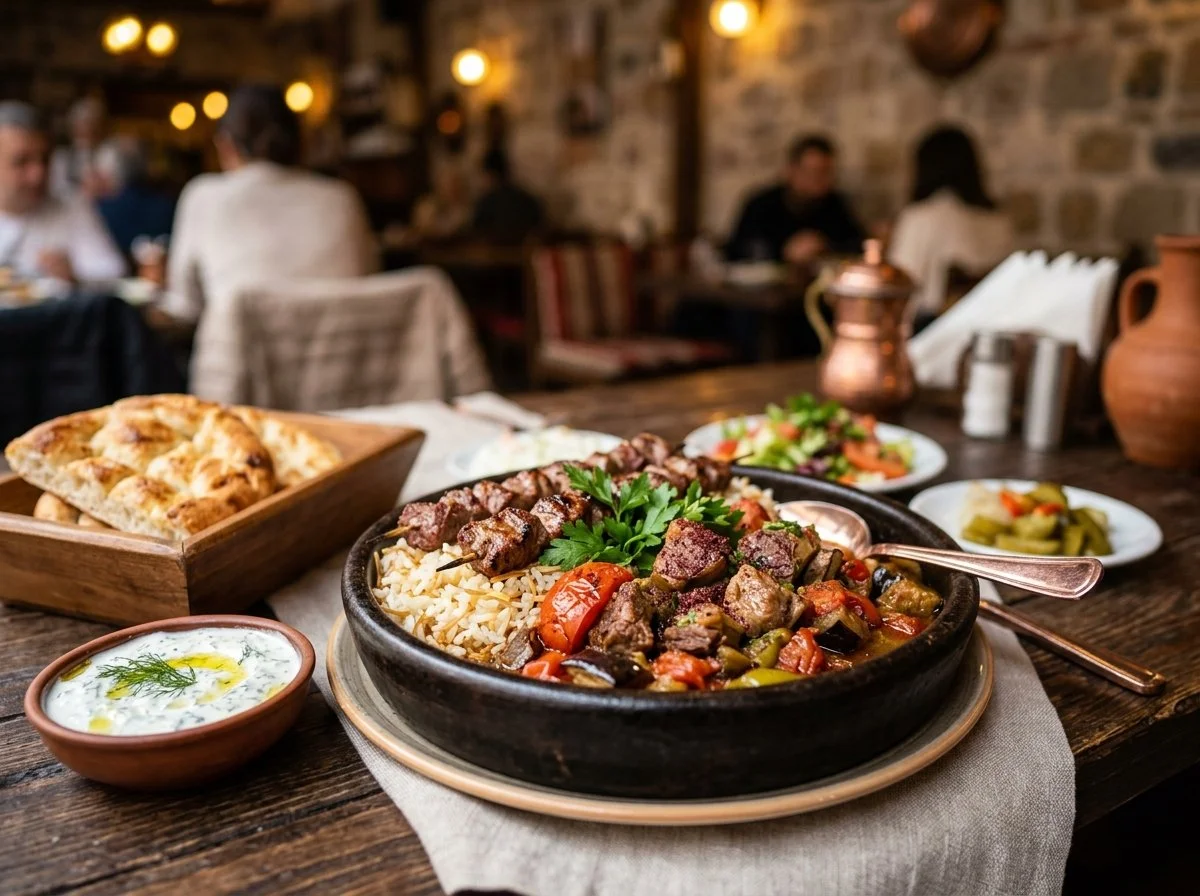
Turkish
Turkish cuisine originates from Turkey, straddling Europe and Asia, and represents a unique blend of Mediterranean, Middle Eastern, and Central Asian influences developed over centuries of Ottoman heritage. Today, it remains a global culinary powerhouse, maintaining immense popularity throughout Europe, North America, and across the international diaspora. The cuisine is celebrated for its emphasis on fresh, seasonal ingredients like olive oil, vegetables, and high-quality proteins such as lamb and beef, often prepared using traditional techniques like grilling and slow-cooking in clay pots.
Daily meals typically begin with a traditional breakfast known as kahvalti, a rich spread featuring various cheeses, olives, eggs—often prepared as menemen—fresh tomatoes, cucumbers, honey, and breads like simit or borek, always accompanied by Turkish tea. Lunch and dinner often start with a light soup, such as mercimek corbasi (lentil soup), followed by a main course of grilled kebabs, stews like keskek, or stuffed vegetables known as dolma. These hearty dishes are typically served with rice or bulgur pilaf and various mezes, such as hummus or muhammara. Festive and everyday meals frequently conclude with iconic, honey-soaked desserts like baklava or kunefe, reflecting the nation's opulent and diverse culinary history.